 RANZCP homepage

President’s update: Taking the Prague Agreement to the world stage
6 Nov 2026
President's message
Mental health is fundamental to the wellbeing and prosperity of every nation. Yet across the world, it remains chronically underfunded, even though mental illness often begins early in life, affecting education, employment, relationships and people’s ability to participate fully in their communities.
The global economic cost of mental ill-health is estimated at US$5 trillion each year, and poor mental health is projected to reduce global gross domestic product by an average of 1.7% annually between 2025 and 2050. Behind these figures are profound human costs: lost opportunities, poorer quality of life, stigma, discrimination and social exclusion.
This is why the RANZCP is proud to be a signatory to the Prague Agreement. For the first time, psychiatric organisations from around the world have united behind a shared global call for population-focused, clinically led and evidence-based mental health care. It is a significant achievement, and an opportunity to move beyond statements of support towards practical, accountable action.
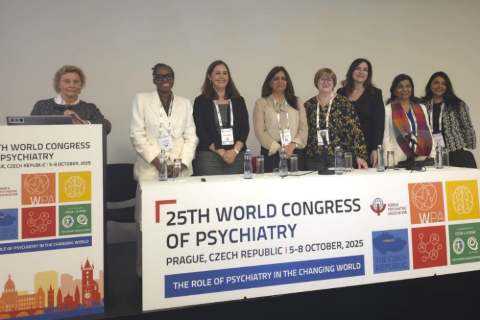
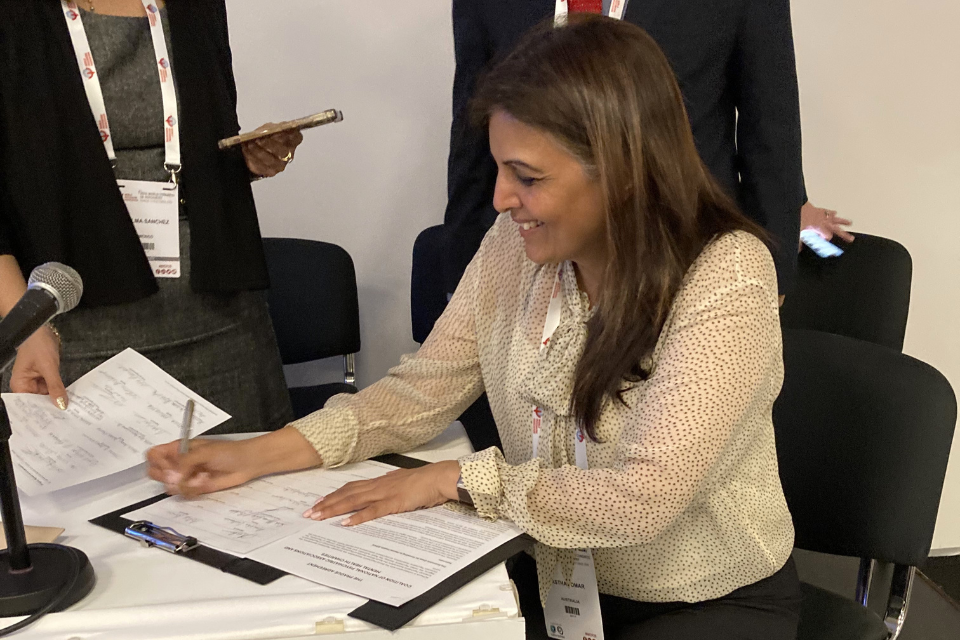
The Agreement recognises that mental health cannot be improved through health services alone. Good outcomes also depend on education, employment, housing and the environments in which people live. It calls on the World Bank, International Monetary Fund and other financiers to use their considerable influence to drive national action by aligning investment, whether in health or other sectors, with the development of cross-government mental health strategies.
Under the Agreement, each strategy would reflect the country’s resources and capabilities, be supported by an implementation plan to improve population mental health and wellbeing and include at least one tangible commitment evaluated annually. This would create a clear line between international investment, domestic responsibility and measurable progress.
The case for this approach is compelling. Prevention, early intervention and accessible, community-based care, supported by inpatient services when needed, can reduce the likelihood that mental illness becomes chronic or relapsing. Investment in population mental health can also deliver returns across health, education and productivity. The practical models, evidence and expertise already exist; what is needed is the political and financial commitment to implement them.
The Royal College of Psychiatrists in the UK now proposes to take the Prague Agreement to the G20 next year. This is a tangible opportunity to put mental health, and its central importance to human rights and shared prosperity, on the world stage. It would also focus international attention on the Agreement’s central proposition: global financiers can and should use their leverage to stimulate national, cross-government commitment to mental health.
Success will depend on building momentum from the ground up. In the months ahead, the RANZCP will work with professional bodies, governments, third-sector partners and international organisations to broaden support for the Agreement. We will encourage organisations to become signatories, engage elected representatives, promote the Agreement publicly, create opportunities for discussion and help open doors to international decisionmakers.
There is a real opportunity to turn a global consensus into meaningful change. As psychiatrists, we understand both the human impact of mental illness and the difference that timely, high-quality care can make. I look forward to keeping you updated as this work progresses, and to working together to ensure the Prague Agreement gains the attention and action it deserves.
International Forensic Psychiatry Conference
Earlier this week, I was delighted to represent the RANZCP at the International Forensic Psychiatry Conference 2026, hosted in partnership with the National Institute of Mental Health and Neurosciences (NIMHANS) in India. This landmark event was made possible through the vision, leadership and significant contribution of our Faculty of Forensic Psychiatry Committee, led by Chair Dr Vinesh Gupta, whose commitment has helped establish an important international partnership.
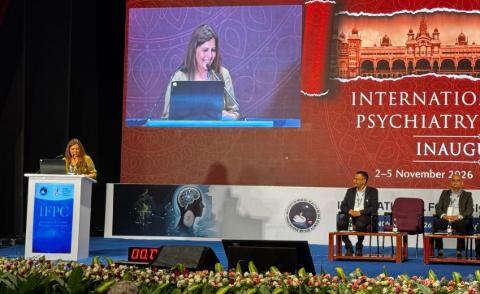
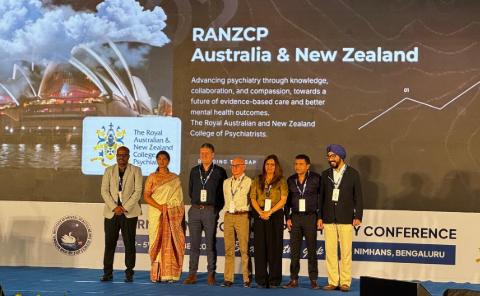
Under the theme Bridging the Gap, the conference provided a valuable opportunity to strengthen professional connections, share different approaches to forensic psychiatric, and explore future opportunities for collaborative research, education and training. I extend my sincere thanks to RANZCP members Dr Jackie Short, Dr Raj Darjee and Dr Kerri Eagle for travelling to India and generously adding their expertise to the conference program. I also thank the wider Faculty of Forensic Psychiatry, and everyone involved in bringing this important event to fruition.
2027 Board elections
The College’s 2027 Board election cycle will soon get underway, beginning with a call for nominations for the position of President Elect.
This election is part of the College’s regular governance cycle and will be conducted in line with the Constitution and Board Election Regulations, with a remote ballot of eligible Fellows and an independent count and audit of the results. Full details, including the election timetable, eligibility requirements and how to nominate, will be shared when nominations open in mid-November.
In the meantime, I encourage Fellows who are interested in helping lead the College to start considering whether to put themselves forward.
Dr Astha Tomar
President
More news & views

President's message
From the President | October 2026The College’s 80th anniversary has provided an opportunity to look back on the evolution of our prof...
President's message
President’s update: The courage to disagree wellLike many in our community, I have been deeply affected by the shocking attack on Australian indepen...
President's message
President’s update: Bringing women’s mental health into the centre of psychiatric practiceOne of the responsibilities we share as psychiatrists is to keep asking whether the care we provide ...