 RANZCP homepage
National NAIDOC Week 2026
6 Jul 2026
Update
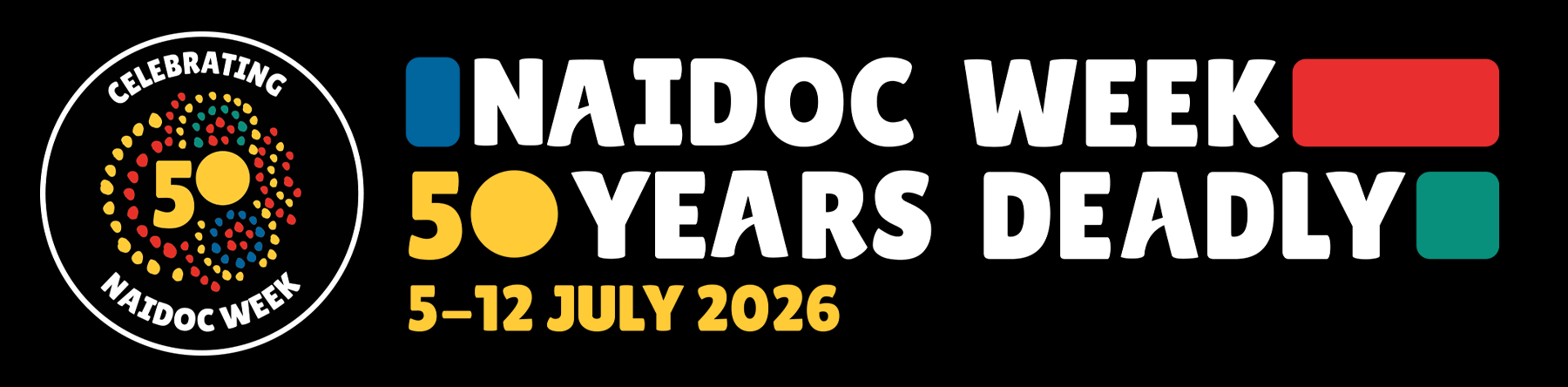
For five decades NAIDOC Week has celebrated the voices of our communities – steady, unapologetic, and proud.
This year’s theme Fifty Years of Deadly marks a milestone. It’s a tribute to the people who built this movement, the Elders who stood firm, the organisers who made space, the artists who turned resistance into expression, and the communities who keep showing up, year after year. It’s about the future. The next 50 years. The young ones growing up proud. The return of language. The return to Country. The fight for justice continuing with new tools, new voices, and the same fire.
Members reflected on what the NAIDOC theme of Fifty Years of Deadly means to them – the importance of culture, connection and community in mental health, and how far we have come while recognising there is still a long way to go in the pursuit of justice, eliminating racism, and achieving reconciliation.

Mr Cody Skinner
Member of the RANZCP Aboriginal and Torres Strait Islander Mental Health Committee and Aboriginal disability advocate
"To me, “Fifty Years of Deadly” celebrates the strength, resilience and achievements of Aboriginal and Torres Strait Islander peoples over the past 50 years. In mental health, it highlights the importance of culture, connection, community and identity as sources of wellbeing. The theme reminds us to honour the leadership of Elders, learn from the past, and continue working towards culturally safe and accessible mental health support. It is a celebration of progress while recognising the ongoing need for healing, understanding and better outcomes for future generations."
"To me, “Fifty Years of Deadly” celebrates the strength, resilience and achievements of Aboriginal and Torres Strait Islander peoples over the past 50 years. In mental health, it highlights the importance of culture, connection, community and identity as sources of wellbeing. The theme reminds us to honour the leadership of Elders, learn from the past, and continue working towards culturally safe and accessible mental health support. It is a celebration of progress while recognising the ongoing need for healing, understanding and better outcomes for future generations."

Professor Sharon Lawn
Executive Director of Lived Experience Australia
"When thinking about this year's NAIDOC Week theme, Fifty Years of Deadly, I began by looking back to what life was like in the rural community where I was in my teens 50 years ago, and how mental health was viewed so differently then. There was no visibility, and no services established by and for Indigenous community members. Today, they are an important presence in that rural community for sure, building a strong Indigenous identity and community. Yes, we’ve come a long way, but we still have a long way to go to address prejudice, racism and the impacts of the many decades that went before. Keep being Deadly and enjoy the NAIDOC celebrations."
"When thinking about this year's NAIDOC Week theme, Fifty Years of Deadly, I began by looking back to what life was like in the rural community where I was in my teens 50 years ago, and how mental health was viewed so differently then. There was no visibility, and no services established by and for Indigenous community members. Today, they are an important presence in that rural community for sure, building a strong Indigenous identity and community. Yes, we’ve come a long way, but we still have a long way to go to address prejudice, racism and the impacts of the many decades that went before. Keep being Deadly and enjoy the NAIDOC celebrations."

Mr Gerad Ryder
4th year medical student, University of Notre Dame
"To me, this year’s NAIDOC theme honours the strength of my elders, communities, and those who have fought to create a better (deadly) future. Having witnessed the impact of poor mental health in Aboriginal communities firsthand, it reinforces why I want to contribute to improving Aboriginal social and emotional wellbeing. As a soon-to-be doctor, I believe good health care must look beyond physical health and recognise the importance of mental, social, emotional and cultural wellbeing. Building on the legacy of those before me means that I too can deliver care that empowers our people, strengthens our communities as well as improving mental health outcomes."
"To me, this year’s NAIDOC theme honours the strength of my elders, communities, and those who have fought to create a better (deadly) future. Having witnessed the impact of poor mental health in Aboriginal communities firsthand, it reinforces why I want to contribute to improving Aboriginal social and emotional wellbeing. As a soon-to-be doctor, I believe good health care must look beyond physical health and recognise the importance of mental, social, emotional and cultural wellbeing. Building on the legacy of those before me means that I too can deliver care that empowers our people, strengthens our communities as well as improving mental health outcomes."
Building Aboriginal and Torres Strait Islander leadership in mental health
Applications are open for the gamadji nanggit 'emerging leader' Scholarship. Named with the guidance of Wurundjeri Elders, the scholarship supports members to build confidence and skills through the AMA Victoria Emerging Leader Program and individual coaching.
“This week is a time to recognise the contribution of Aboriginal and Torres Strait Islander peoples and the work still ahead. In psychiatry, we need more Aboriginal and Torres Strait Islander doctors bringing knowledge, experience and connection to community into clinical care, service design, education and leadership. That change needs to happen at every level of the profession.”
– Dr Marshall Watson, Chair, RANZCP Aboriginal and Torres Strait Islander Mental Health Committee
Applications are open until Monday 31 August. Eligible members are encouraged to learn more about the gamadji nanggit Scholarship and apply now.
The College’s initiatives
The College proudly honours the strength, resilience, and enduring cultures of Aboriginal and Torres Strait Islander Peoples.
The majority of actions identified in the Innovate Reconciliation Action Plan 2024-2026 have been completed and the plan has now concluded. The College has reflected on progress made, lessons learned, and areas where further work is required. In collaboration with the Aboriginal and Torres Strait Islander Mental Health Committee, work is now underway to develop the College’s next Reconciliation Action Plan.
Throughout the week, College staff will have access to two hours of leave to engage in learning, connection and reflection on NAIDOC Week. The College is partnering with the Evolve team for an online webinar: 50 Years of Deadly: What Comes Next? for staff. This live and interactive session explores how First Nations wisdom can enrich our ability to Reflect, Relate and Reconcile.
Get involved
Find out about local NAIDOC Week activities in your area.
More news & views
Update
Psychiatrists welcome rollout of Thriving Kids initiative in South AustraliaThe South Australian Branch of the Royal Australian and New Zealand College of Psychiatrists (RANZCP...
Update
Across the College: September highlightsIn this month’s Across the College, we feature highlights from Victoria, New South Wales, Australian...

Update
The Dean's reflection: SeptemberTeaching, learning and assessment: When did we lose the art of teaching? In an increasingly transact...